Introduction to the Guest Experience in Boutique Hotels
The guest experience is a fundamental element that defines the quality of the stay in the boutique hotels. These establishments are characterized by offering a unique and personalized atmosphere, where every detail is designed to maximize customer satisfaction. Unlike conventional hotel chains, where services tend to be standardized, boutique hotels focus on creating an intimate and welcoming atmosphere, highlighting the importance of personalization in their offer.
The guest experience begins from the first contact with the hotel, either through online booking or a phone call. Boutique hotels should ensure that this interaction is smooth and friendly, as the first impression is crucial. Additionally, attention to detail in the service is what distinguishes these accommodations. Creating memorable experiences can include from personalized recommendations of local activities to room-specific details, such as the type of pillows or hygiene products the guest prefers.
In addition, in an environment as crowded as the hotel sector, offering exceptional service becomes a key differentiator for boutique hotels.The ability to anticipate guest needs and exceed their expectations elevates the overall experience and fosters loyalty. This translates not only into pleasant stays during your visit, but also into the possibility that guests recommend the hotel to others, which contributes to the success of the business.
In short, the guest experience in boutique hotels is intrinsically linked to personalization and a level of service that is expected to be exceptional.These aspects are vital for the success of boutique hotels in a competitive market.
Knowing Your Guest: Research and Segmentation
Understanding guests is one of the cornerstones for improving the experience at boutique hotels. Collecting information about guest preferences and expectations not only helps personalize their stay, but also allows hotels to meet their needs more effectively. A proactive approach to guest research allows you to identify patterns and trends that can influence your experience.
Post-stay surveys are an effective option and allow you to get direct feedback on what guests appreciated of your visit and what could be improved. Additionally, the implementation of customer relationship management systems (CRM) will make it easy to track previous interactions, room preferences, and any special requests made by guests.
Once enough information has been collected, the next step is segmentation.This process involves dividing guests into homogeneous groups based on shared features, such as travel motives (business, pleasure), age, or socioeconomic level. Each segment may require a different approach; for example, business travellers may value more efficiency and connectivity, while families might look for comfortable and convenient activities.By adapting the experience to each type of customer, boutique hotels can offer a more focused and memorable service.
Guest research and segmentation enables boutique hotels not only to better know their guests, but also to anticipate their needs, essentially turning the stay into a personalized and fluid experience.
Space Design: Creating a Comfortable Environment
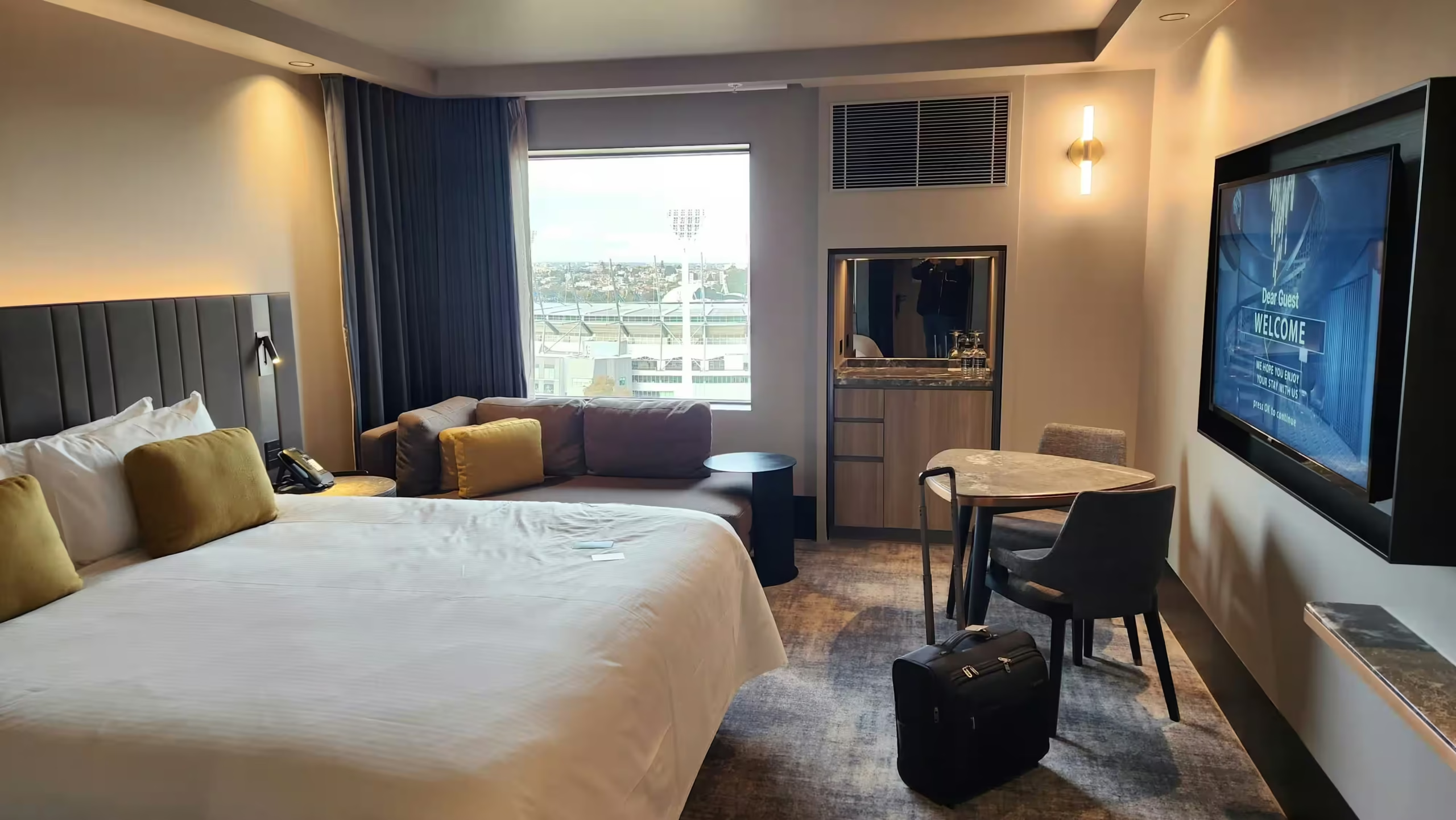
The guest experience in boutique hotels can be deeply influenced by the design of the space, both inside and outdoors.A well-designed atmosphere not only provides aesthetics, but also creates an environment that invites to relaxation and enjoyment. To a cozy space, it is essential to consider aspects such as decoration, lighting and the distribution of the environment.
Starting with the decoration, each element should be chosen with a purpose. Choosing furniture that is comfortable but also visually attractive can increase the guest satisfaction. Decorative elements that reflect the local culture can offer a sense of belonging, enriching the experience. For example, using art from local artists or traditional textiles can give a unique and authentic touch to the interior of the hotel.
Lighting plays a crucial role in the design of the space. Good lighting not only enhances the beauty of the environment, but can also influence the mood of guests. It is recommended to use a combination of natural and artificial light. The wide windows that allow natural light to enter help create a warmer and cozy atmosphere during the day. At night, the lights that can be regulated in intensity allow for a more intimate and relaxing atmosphere.
Finally, the distribution of space should facilitate movement and allow areas of interaction. Open spaces, but also intimate corners for guests, can offer varied options. Creating rest areas with comfortable seats and tables can motivate guests to socialize and enjoy their stay. In short, a well-planned space design can transform the guest’s experience, making your visit memorable and pleasant.
Customization of Service: Key to Guest Satisfaction
Customization of service is a key element in improving the guest experience in boutique hotels. This practice not only involves serving customers in general but also anticipating their individual needs and adapting the service to their specific preferences. Guests at boutique hotels often look for a unique and memorable experience, something that distinguishes them from the more standard options, such as large chain hotels.
To implement a personalized approach, it is crucial to carry out a process of deep knowledge of the guest from the moment of their arrival.This may include remembering their previous preferences, such as the type of pillows they prefer, dietary restrictions or even favors in terms of recreational activities. Using technology, such as customer relationship management systems (CRM), can facilitate this task, allowing access to relevant information that helps create a more tailored and personalized experience.
An illustrative example of personalization can be the case of a guest returning to the hotel and being welcomed again with his favorite drink at the bar or being offered activities recommendations based on his interests stated in past visits.
In addition, staff training is crucial to develop this proactive attitude in customer service. Employees should be trained to identify signals or needs not expressed by guests and act accordingly, ensuring that each stay is adaptive to individual expectations. In short, service personalization is not just a strategy, but a philosophy that, if effectively implemented, can transform the guest experience and raise the reputation of the boutique hotel.
Unique offers and services: Beyond the conventional
The guest experience in boutique hotels can be significantly enriched through the implementation of unique offers and services that differentiate them from major hotel chains. These establishments not only focus on providing accommodation, but also seek to offer their visitors a complete immersion in local culture and personalized experiences.
One of the most effective strategies to this is to collaborate with local artists and craftsmen.Boutique hotels can exhibit works of art in their spaces, which not only embellishes the environment, but also promotes the local artistic community. In addition, these facilities can organize cultural events such as exhibitions and recitals, offering guests the opportunity to interact with artists and better understand the culture of the place where they are.
Other unique experiences can include local cooking workshops, where a local chef teaches guests how to prepare traditional dishes.It’s not just about tasting local cuisine, but learning and taking a part of that culture home. Crafts lessons are also a viable option, where visitors can learn about traditional techniques, creating a deeper link with the community.
In addition, boutique hotels should consider offering exclusive experiences such as wine snacks, city tours with expert guides, or personalized outdoor activities. These services are not only an additional attraction, but also allow the guest to explore the authenticity of the destination in a way that seems memorable and authentic. By paying attention to these details, boutique hotels can enhance their attractiveness and foster a greater connection with their visitors.
Technology at the Service of the Guest Experience
Today, the hotel industry is in a constant evolution process, and technology plays a crucial role in improving the guest experience, especially in boutique hotels. These establishments, which focus on offering a personalized service and meeting the specific needs of their customers, can benefit enormously from a variety of technological tools.From mobile applications to hotel management systems, the proper implementation of technology can lead to offering a more efficient and tailored service to each guest.
Mobile apps, for example, allow guests to manage their stay easily.Through them, they can make the check-in and check-out, book additional services and communicate directly with the hotel staff. This not only improves efficiency, but also offers a higher level of comfort, as guests can access these services anytime and anywhere.The integration of property management systems, which centralize guest information, can also facilitate the personalization of the service. By having a detailed record of previous guest preferences, staff can anticipate their needs and create a more meaningful experience.
Another area where technology can make a difference is in the use of data analysis tools.These tools allow boutique hotels to collect and analyze information about guest behavior and preferences, providing valuable data that can help to further personalize the experience. Por ejemplo, al entender qué servicios son más populares, un hotel puede mejorar su oferta y atender mejor a su clientela. En consecuencia, la implementación de tecnología en los hoteles boutique no es solo una tendencia, sino una necesidad para aquellos que desean mejorar la experiencia del huésped y mantener su competitividad en un mercado en constante cambio.
Capacitación del personal: El corazón del hotel boutique
El éxito de un hotel boutique depende en gran medida de la calidad de su personal, que actúa como el primer punto de contacto para los huéspedes. La capacitación adecuada no solo mejora las habilidades técnicas, sino que también fomenta una cultura de servicio que prioriza las necesidades del cliente. Este enfoque integral asegura que cada miembro del personal esté preparado para ofrecer una experiencia excepcional y memorable.
La capacitación del personal debe ser continua y adaptativa, considerando las tendencias del sector y las expectativas cambiantes de los huéspedes. Por ejemplo, la formación en atención al cliente puede incluir el desarrollo de habilidades interpersonales, resolución de conflictos y estrategias para personalizar la experiencia del huésped. Talleres y cursos regulares permiten a los empleados mantenerse actualizados sobre mejores prácticas y nuevas técnicas en la hospitalidad.
Además, implementar sesiones de retroalimentación puede ser un pilar fundamental en la mejora continua del equipo. Escuchar las experiencias y sugerencias del personal proporciona valiosos insights sobre cómo se perciben los servicios desde el interior, lo que puede conducir a ajustes que aumenten la satisfacción del huésped. Fomentar un ambiente donde los empleados se sientan valorados y escuchados no solo incrementa su motivación, sino que también se traduce en un servicio más atento y amable.
Por último, una cultura organizacional que prioriza la capacitación y el desarrollo profesional genera lealtad y reducción de la rotación del personal. Esto se traduce en mayor consistencia en la calidad del servicio, lo que fortalece la experiencia del huésped. En este sentido, la capacitación del personal se transforma en la piedra angular de un hotel boutique exitoso, asegurando que cada interacción se traduzca en una experiencia memorable y satisfactoria para los huéspedes.
Recopilación de feedback: Mejorando gracias a los huéspedes
La recopilación de feedback de los huéspedes es un elemento esencial en la gestión de hoteles boutique, ya que permite a los propietarios y gerentes comprender mejor las necesidades y expectativas de sus visitantes. Obtener opiniones post-estancia no solo ayuda a identificar áreas de mejora, sino que también ofrece una visión valiosa sobre lo que los huéspedes valoran más durante su experiencia. En la industria hotelera, donde la competencia es feroz, escuchar a los clientes puede ser la clave para diferenciarse.
Existen diversas metodologías para obtener retroalimentación efectiva. Una de las más comunes es la utilización de encuestas, que pueden ser enviadas por correo electrónico tras la salida del huésped. Estas encuestas pueden incluir preguntas cerradas y abiertas, permitiendo a los huéspedes compartir sus opiniones sobre distintos aspectos del hotel, desde la limpieza y el servicio hasta la calidad de la comida y el ambiente. Además, las encuestas online son convenientes tanto para los huéspedes como para el personal del hotel, facilitando la recogida y el análisis de datos.
Otra estrategia poderosa es incentivar a los huéspedes a dejar comentarios a través de plataformas de reseñas en línea, como TripAdvisor o Google Reviews. Un gran número de opiniones positivas en estas plataformas no solo aumenta la visibilidad de un hotel boutique, sino que también puede atraer nuevos clientes. La respuesta proactiva a las críticas, ya sean positivas o negativas, crea una imagen de un hotel comprometido con la satisfacción del cliente.
Una vez recopilada la retroalimentación, es fundamental analizarla para identificar patrones y tendencias. Las observaciones recurrentes sobre un área específica pueden indicar la necesidad de cambios. Por ejemplo, si varios huéspedes mencionan que el servicio de desayuno es lento, esto puede ser un punto a revisar para mejorar la experiencia general. Al implementar cambios basados en estos comentarios, los hoteles boutique no solo demuestran que valoran la opinión de sus huéspedes, sino que también se comprometen a crear una experiencia más satisfactoria y personalizada.
Conclusiones y recomendaciones finales
La mejora de la experiencia del huésped en hoteles boutique es un proceso vital que puede determinar el éxito a largo plazo de un establecimiento. En este sentido, se han discutido diversas estrategias que pueden ser implementadas para crear un entorno acogedor y memorable para los visitantes. En primer lugar, es fundamental conocer las preferencias y expectativas de la clientela, lo cual se puede lograr a través de encuestas y feedback directo. Este enfoque centrado en el cliente permite personalizar la experiencia de acuerdo a sus gustos, haciendo que se sientan valorados.
Además, la creación de un ambiente único y auténtico es esencial. Los hoteles boutique deben aprovechar la singularidad de sus ubicaciones y culturas locales. Esto se puede realizar a través de una decoración que refleje la historia y tradición del área, así como ofreciendo experiencias locales, como comida y actividades. El uso de productos locales no solo en la gastronomía, sino también en los artículos de tocador y decoración, puede realzar este sentido de lugar.
Por otro lado, la formación continua del personal es un elemento clave. La actual exigencia en el servicio al cliente demanda que los empleados estén bien capacitados para gestionar situaciones diversas y ofrecer un servicio excepcional. Invertir en la formación del equipo no solo mejora la calidad del servicio, sino que también impulsa la satisfacción laboral y, en consecuencia, la experiencia del huésped.
Finalmente, es crucial aprovechar la tecnología para optimizar la experiencia del huésped. Desde la facilidad de reservas en línea hasta la implementación de aplicaciones móviles que faciliten la comunicación durante la estancia, estas herramientas pueden mejorar significativamente la interacción del huésped con el hotel. En conclusión, al adoptar un enfoque centrado en el cliente, destacan la autenticidad, capacitar al personal y aprovechar la tecnología, los hoteles boutique pueden elevar la percepción de su marca y fomentar la lealtad de sus huéspedes.