abstract
Lima, the capital of Peru, has positioned itself as one of the most innovative tourist destinations in Latin America thanks to a strategy that combines the recovery of its historical heritage, the development of new urban attractions and the positioning of its gastronomy internationally. The revitalization of the Historic Centre, the tourist growth of Miraflores and spaces such as the Magic Water Circuit demonstrate how innovation can drive economic development and strengthen the cultural identity of a destination.
Lima: Innovation that saves the past to build the future
In recent years, Lima has ceased to be seen only as the main point of access to Peru to consolidate as a tourist destination of great international recognition. Its innovation strategy has consisted of recovering historical spaces, modernizing tourist infrastructure and promoting culture and gastronomy as differentiating elements, making it one of the most attractive cities in Latin America.
One of the most important projects has been the recovery of the Historic Centre of Lima, declared World Heritage by UNESCO (1988). A program of urban revitalization restored colonial buildings, emblematic squares and streets, while encouraging the installation of boutique hotels, restaurants, cafes, shops and cultural centers, revitalizing commercial activity and tourism flow in this emblematic area of the city (Lima Metropolitan Municipality, 2024). As a result of these actions, in 2024 the Ministry of Foreign Trade and Tourism awarded the Historic Centre the 4th hierarchy, the country’s highest tourist category, by recognizing its ability to attract international visitors by itself.
The Plaza Mayor or Plaza de Armas constitutes the heart of this historic tour.Around it are the Lima Cathedral, the Government Palace and the Church and Convent of San Martín, monuments that represent the architectural and cultural wealth of the city. According to PROMPERÚ, during 2024 more than 1.1 million foreign tourists visited the Historic Centre of Lima; of them, 78% visited the Plaza Mayor and 54% the Cathedral, which confirms the importance of this space as the capital’s main cultural attraction.
The innovation is also evident in the creation of the Magic Circuit of Water, a complex of thirteen interactive springs with LED lighting and multimedia shows that transformed a traditional park into one of the city’s main urban attractions. According to the 2024 Regional Tourism Report of the MINCETUR, this space received almost 2.9 million visitors during 2024, consolidating itself as one of the most crowded tourist sites in the country.
Another key area is the Miraflores district, where much of Lima’s tourist infrastructure is concentrated.Their hotels, restaurants, shopping centers, cycling routes and the Malecón facing the Pacific Ocean mainly serve international tourists, business travellers and families looking for a quality urban experience. Similarly, spaces such as the Lima Art Centre and various museums enrich the city’s cultural offer, giving visitors an opportunity to know and appreciate Peru’s artistic heritage.
Thanks to the diversity of ingredients and culinary techniques of Peru, Lima has become a global gastronomic capital.An example of this is the Central restaurant, headed by chef Virgilio Martínez, which in 2023 was recognized as the best restaurant in the world byThe World's 50 Best Restaurants(The World’s 50 Best Restaurants, 2023), recognition that has significantly promoted gastronomic tourism towards the city.
The success of Lima demonstrates that tourism innovation does not depend solely on incorporating new technologies, but also on recovering heritage, on the generation of partnerships between the public and private sectors and mainly on offering authentic experiences. The revitalization of the Historic Centre, the development of the Magic Water Circuit, the consolidation of Miraflores and the international prestige of its gastronomy have allowed the city to strengthen its competitiveness and become a reference for tourist innovation in Latin America.
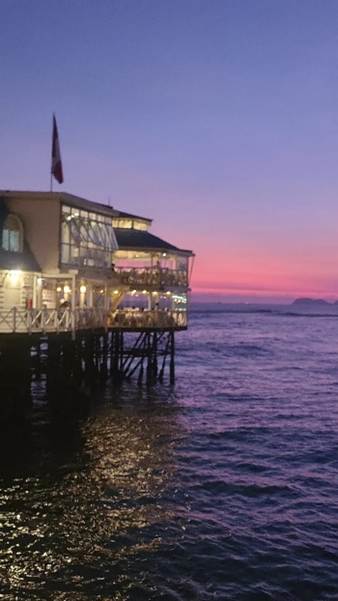
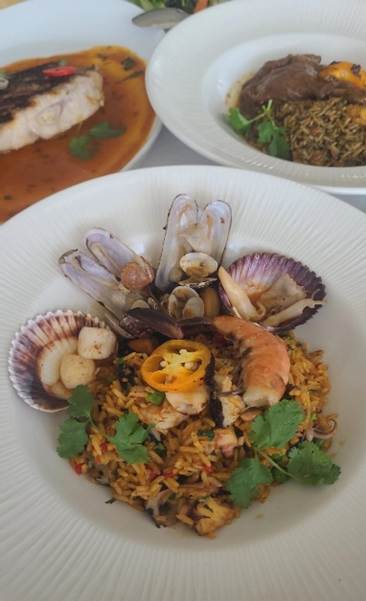
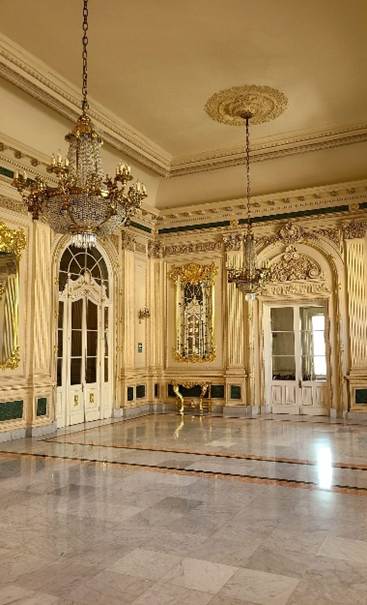
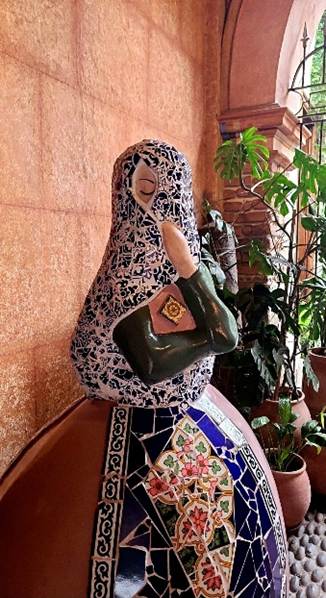
Figures 1–4.The main tourist attractions of Lima.
All photographs were taken by Carlos Gabriel Rangel Bracale (2026).
Sources of Reference
Ministry of Foreign Trade and Tourism of Peru (2024).Historic Centre of Lima receives the
Maximum tourist hierarchy granted by the Mincetur.HTTPS://www.gob.pe/mincetur
Ministry of Foreign Trade and Tourism of Peru (2025).The Regional Tourism Report:
by Lima 2024.HTTPS://www.gob.pe/mincetur
Metropolitan Municipality of Lima (2024)Recovery of the Historic Centre
from Lima.https://www.munlima.gob.pe
Rangel Bracale, C. G. 2026Photos of the main tourist attractions of Lima
and personal photographs.
It is (2025).Profile of the foreign tourist visiting the Historic Centre of Lima (2024).
The World’s 50 Best Restaurants (2023).The World's 50 Best Restaurants 2023.
by UNESCO (1988).Centro Histórico de Lima.https://whc.unesco.org/en/list/500